A few years ago, I sat down with someone who had never written a song in their life. They didn't know music theory or play an instrument, but they had a lot of life experience and a story they wanted to tell.
By the end of our time together, they had a hook and some genuinely powerful lyrics. And the look on their face — that moment of I made that — hit me the same way it always does, whether I'm working with a complete beginner or a seasoned pro. That's the thing about creativity. It doesn't check credentials at the door.
I've had that same experience dozens of times, in different forms. A conversation backstage where I walked a professional musician through something they'd been stuck on for months. A passing exchange after a gig where I gave away, in five minutes, something I could have charged for. And I'd drive home thinking: I should have handed them a card. I should have said, let's continue this properly.
I didn't gate-keep. That's a good instinct, but I also didn't value my own time. That's a different problem.
The Uncomfortable Math
Here's a number worth sitting with: only 11% of independent musicians earn a living solely from their music.
I'm not sharing that to depress you. I'm sharing it because the other 89% are out there hustling — gigging, teaching privately, working day jobs, piecing it together — and most of them are sitting on something genuinely valuable that they've never figured out how to sell.
The streaming math doesn't help. Spotify pays somewhere between $0.003 and $0.005 per stream. You need roughly 250,000 streams to make $1,000. That's a lot of listens for a tank of gas. And sync licensing, while genuinely life-changing when it happens, isn't a strategy you can build a week around.
The model most musicians are chasing — record, release, repeat, get discovered — works for a very small number of people. In 2016, only 26 artists made the top 10. Twenty-six. And the rest of us are out here with our craft, our experience, and our expertise, wondering why the math never adds up.
Here's what I think is actually going on: most musicians don't recognize that they have a second business sitting right next to their music career. They've been teaching it away for free.
What You Actually Know (That Someone Would Pay For)
When I started Logic Studio Training, I wasn't trying to build a business. I was learning Logic Pro and writing about it as I went, because teaching is how I retain things. That's just how my brain works — with ADHD, facts slip out the back door, but if I teach something repeatedly, it becomes a skill I actually own. The blog was essentially me doing my homework in public.
That blog eventually led to an acquisitions editor reaching out about a book deal. The first deal didn't go anywhere, but the editor moved to Wiley's For Dummies team a few years later and came back. That one relationship — started by a blog that existed because I needed to teach in order to learn — led to Logic Pro For Dummies. Which changed everything.
I wasn't the most qualified Logic Pro user in the world when I started writing. I was just someone who understood it well enough to explain it to someone who didn't, and who did that consistently enough that an editor noticed.
That's the bar. Not perfection or a PhD. Just: are you further along than the person behind you? Because that person will pay to close the gap.
Most musicians vastly underestimate the value of what they know because they're surrounded by other musicians who also know it. But your audience isn't your peers. Your audience is the version of you from ten years ago, still confused about the thing you now do in your sleep.
Speed Songwriting Was the Solution to My Own Problem
After I completed my Songwriting Master certification at Berklee — which was a serious undertaking, a lot of material, a real credential — I still wasn't finishing songs. I'd start something, get bored or frustrated, and drift to the next idea. Rinse and repeat. A hard drive full of promising beginnings and nothing to show for them.
So I did what I do: I built a system. I gamified the process. I broke songwriting down into a step-by-step finishing method with specific language designed to trick my brain into following through ("find words" instead of "sit down and write" — the former is a task, the latter is a threat). I figured out how speed was the key to keeping the inner critic quiet, and how to toggle between creating and evaluating without losing momentum. I built the thing I needed, and it worked.
I taught it to my Logic Studio Training audience first, almost as an aside. They loved it. So I made a brand out of it.
Speed Songwriting isn't a course I built because I saw a market opportunity. It's the solution to my own ADHD brain's inability to finish what it starts. The fact that thousands of other songwriters have the same problem turned out to be useful, but that's not why I made it.
That's usually how it goes. The best thing you can teach is the problem you've already solved for yourself.
Teaching Is Not Settling
Let's get something out of the way.
"Those who can't do, teach" is one of the most cynical and incorrect clichés in the creative professions, and I will not have it in my house.
Mozart composed from 7 to 9 in the morning. Taught music until 1 in the afternoon. Spent the afternoon networking and socializing. Caught a show in the evening, and if he had anything left, composed again before bed. We all know how that turned out.
Teaching wasn't something Mozart did because the composing wasn't working out. It was part of the architecture of a creative life. Play, teach, network, listen, create. That's the portfolio. That's the model that actually sustains a career across decades.
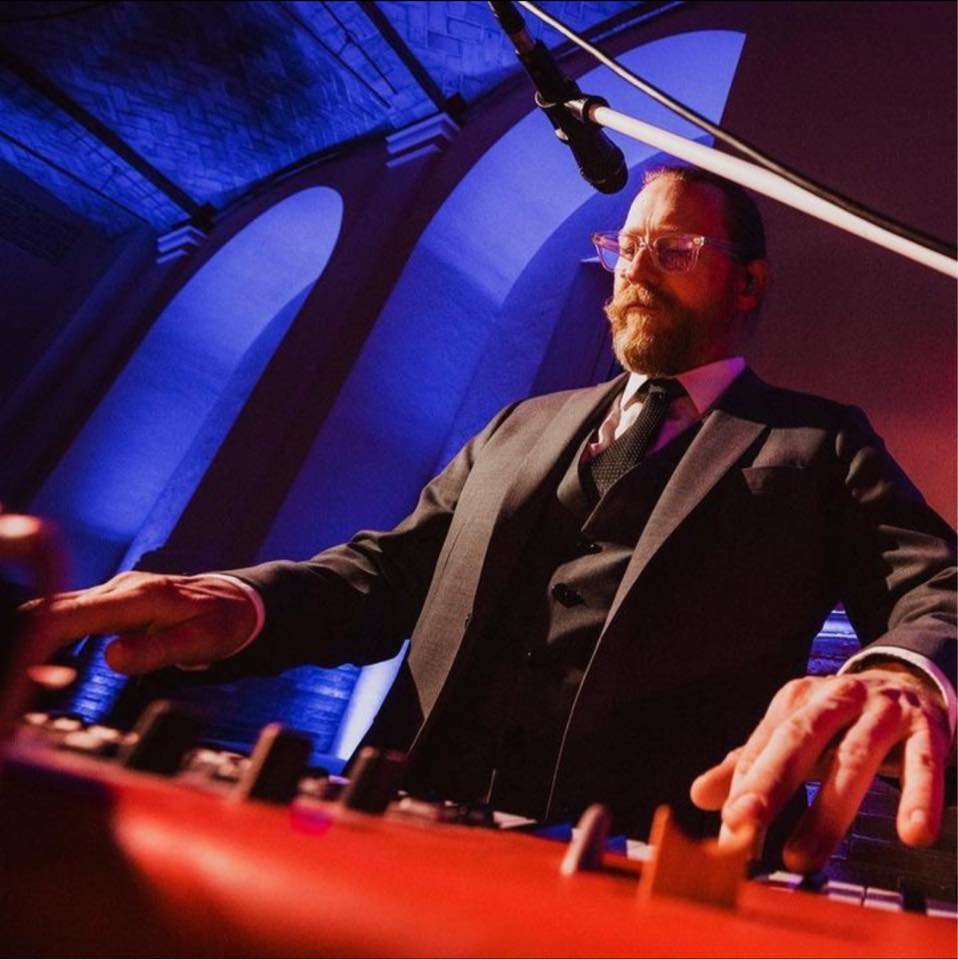
I perform with Hot Mess (Boston's best wedding band, still standing, human trumpet player intact). I teach through Logic Studio Training and Speed Songwriting. I write books. I coach. I ghostwrite. None of those things are lesser versions of the others. They're all expressions of the same underlying love of music, communication, and the specific satisfaction of watching someone understand something they didn't understand before.
The musicians I know who are thriving financially aren't doing it on streaming royalties. They're doing it because they recognized early that their knowledge was an asset, and they stopped giving it away at the merch table.
How to Start (The Honest Answer)
When I started teaching private lessons, I was in high school. I had no certification, no credentials, no business plan. I was just better than the people who wanted to learn, and that's all that matters. They needed to know something I already knew, and I charged them for the time.
When the internet showed up, I immediately saw it as a way to scale that. Write, teach, reach more people. The blog led to the book. The book led to credibility. The credibility led to courses. The courses led to coaching. The coaching is leading to things I haven't built yet.
None of it was planned. All of it started with just starting.
So when someone comes to me with ten or twenty years of knowledge they haven't packaged, my answer isn't a business framework. It's this: just start. Teach something imperfectly and see what resonates. Don't build an imaginary perfect business in your head while your actual expertise collects dust. The feedback from real students will tell you what to build next better than any amount of planning.
A few questions worth asking yourself:
- What's the thing people always ask you to explain?
- What problem did you solve for yourself that other musicians you know still have?
- What do you wish someone had taught you ten years earlier?
That's your first product. It doesn't have to be a 12-week course. It can be a workshop, a PDF, a small cohort, a blog. It can be exactly what you already know, organized well enough that someone else can follow it.
The curriculum is already written. It's in your head, your calluses, and every conversation you've had where someone said I never thought of it that way.
The Thing That Actually Separates Teachers Who Earn From Those Who Don't
It's not credentials or production value. It's not even the quality of the content, past a certain baseline.
It's specificity. It's voice. It's being yours.
A generic "learn to write songs" course is invisible. There are thousands of them. But a finishing system built around the specific problem of starting-but-not-finishing, designed by someone who struggled with exactly that for years and solved it? That's a product. That's something people search for at 11 PM when they're frustrated with their half-finished third verse and looking for a way through.
The educators who build durable income aren't the most qualified people in the room. They're the most specific and the most themselves. They've named something. They've built a system with a point of view. They sound like nobody else, because they're not trying to.
That's the work. Not finding the right platform, not picking the right price point, not waiting until the content is perfect. Building the thing that only you could build, because you're the one who needed it.
The Question Worth Sitting With
What's the thing you explain so naturally that people always say, "You should make a course about that?"
That's where you start.
And if you want help figuring out how to take what's in your head and turn it into something people will actually pay for — whether that's a course, a book, a coaching practice, or something you haven't named yet — let's talk.